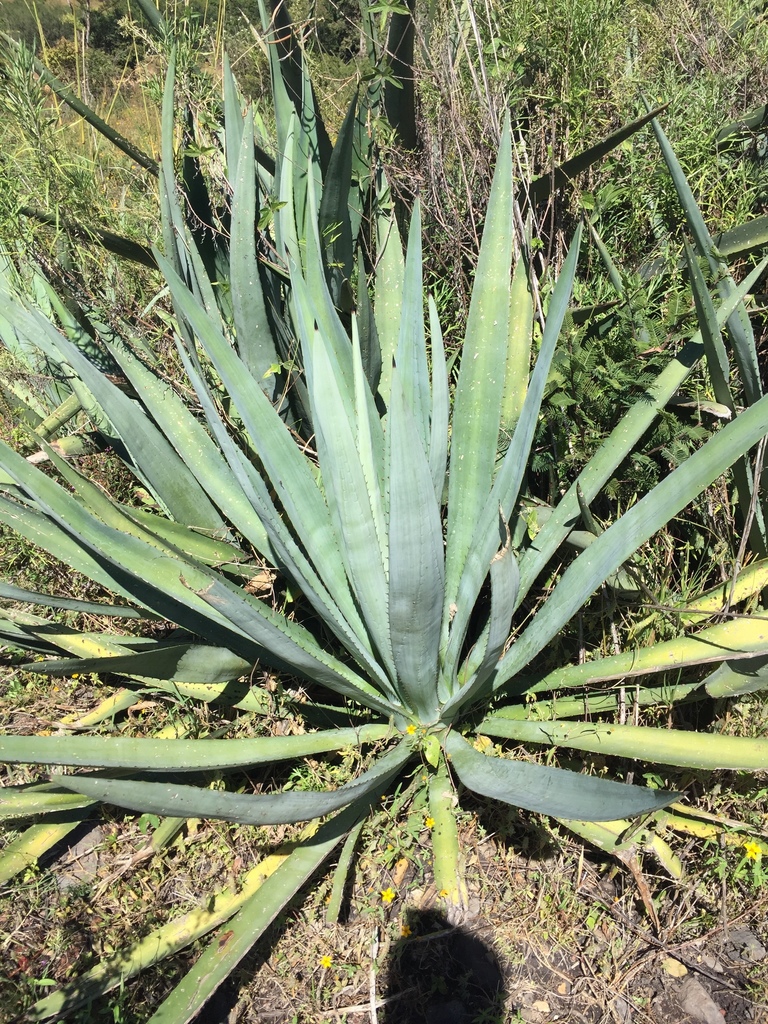
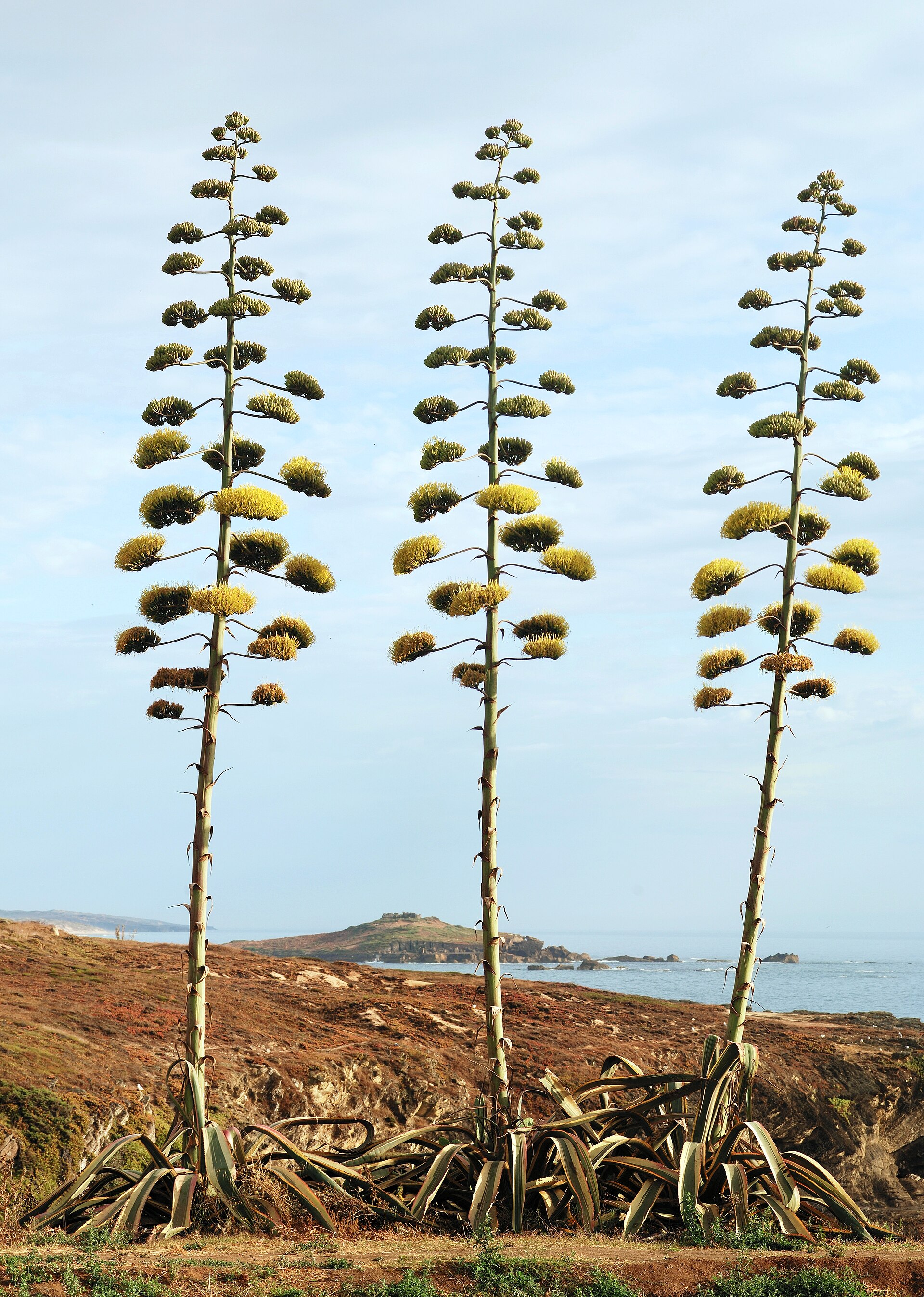
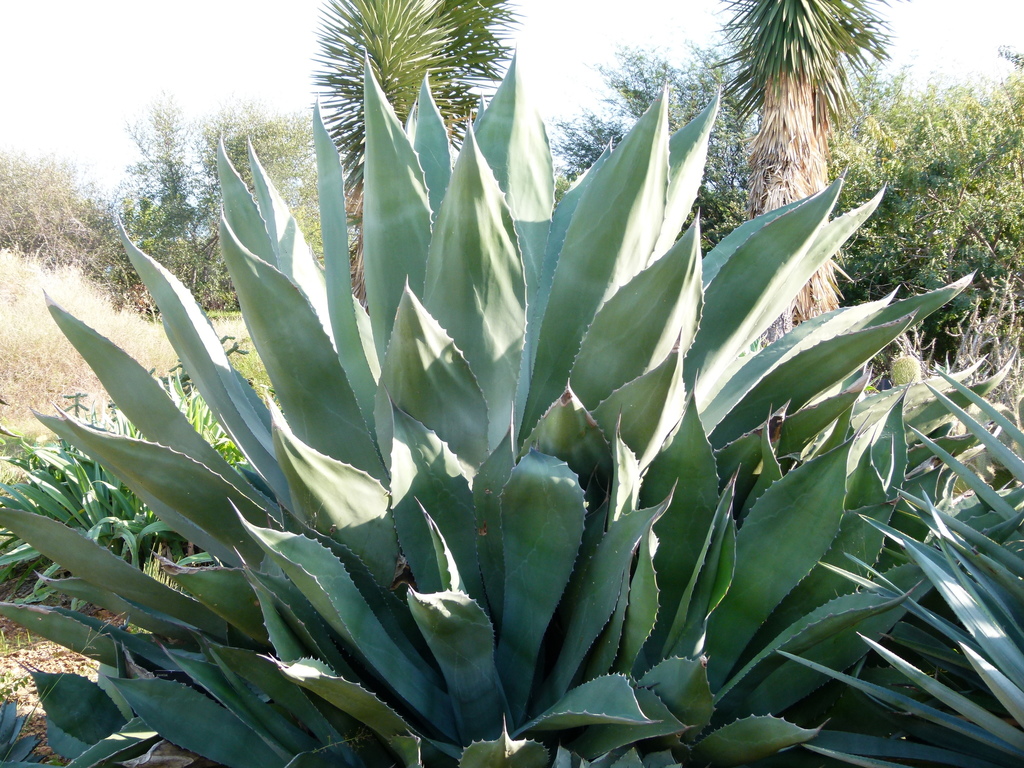
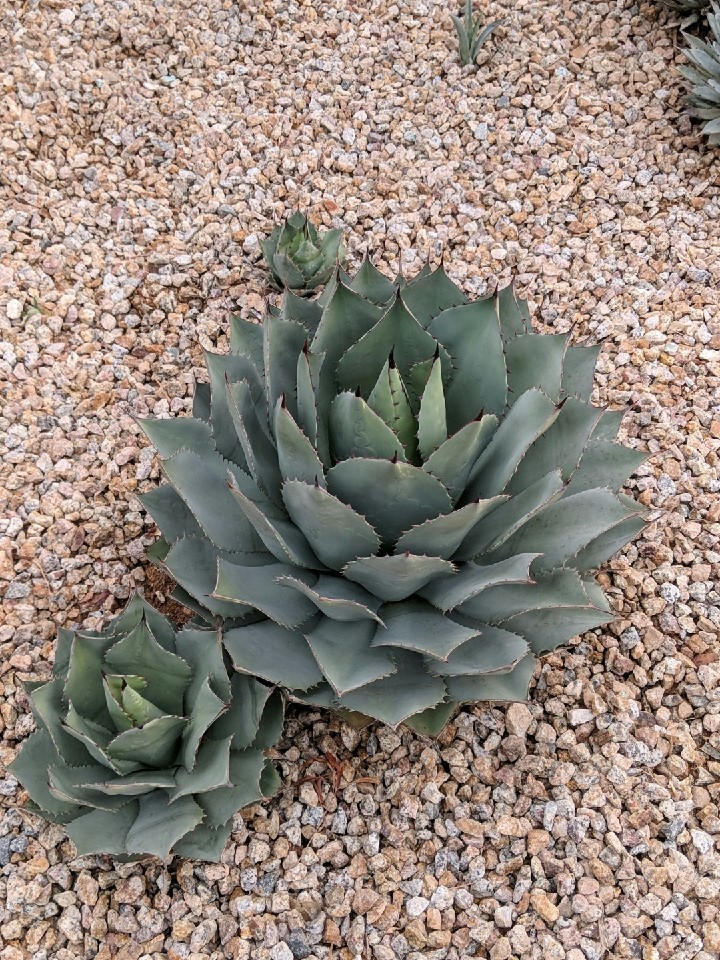
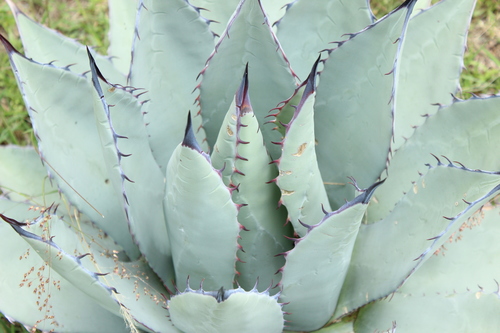
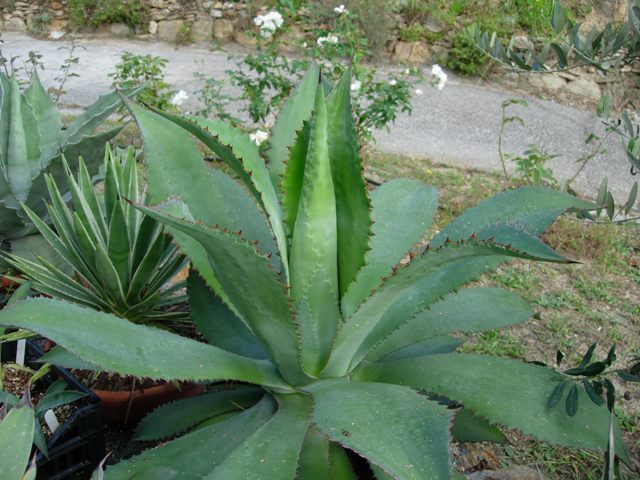
Agave sisalana
Sisal (, Spanish: [siˈsal]; Agave sisalana) is a species of flowering plant native to southern Mexico, but widely cultivated and naturalized in many other countries. It yields a stiff leaf fiber used in making rope and various other product
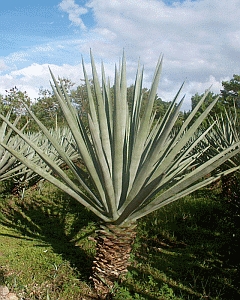
Description
Sisal (, Spanish: [siˈsal]; Agave sisalana) is a species of flowering plant native to southern Mexico, but widely cultivated and naturalized in many other countries. It yields a stiff leaf fiber used in making rope and various other products. The sisal fiber is traditionally used for rope and twine, and has many other uses, including cloth, footwear, hats, bags, carpets, geotextiles, and dartboards. It is also used as fiber reinforcements for composite fiberglass, rubber, and concrete products. Like other agaves, the pith of the leaves can be fermented and distilled to make mezcal. Sisal has an uncertain native origin, but is thought to have originated in the Mexican state of Chiapas. Historically, sisal was used by the Aztecs and Maya for a crude fabric. It spread to other parts of the world in the 19th century, with Brazil becoming the major producer. Global sisal production in 2020 was 210,000 tons, with Brazil being the largest producer, followed by Tanzania, Kenya, Madagascar, China, and Mexico. Sisal is a tropical and subtropical plant, thriving in temperatures above 25 °C (77 °F) and sunshine. It is propagated using bulbils or suckers and can be improved genetically through tissue culture. Sisal plants have a lifespan of 7–10 years, producing 200–250 usable leaves containing fibers used in various applications. Fibers are extracted by crushing the leaves and are then dried, brushed, and baled for export. Sisal farming initially led to environmental degradation, but it is now considered less damaging than other farming types. Sisal is an invasive species in Hawaii and Florida.
Morphology
Distribution
Phase 1 — abstract distribution grid. Geographic SVG arrives in phase 2.