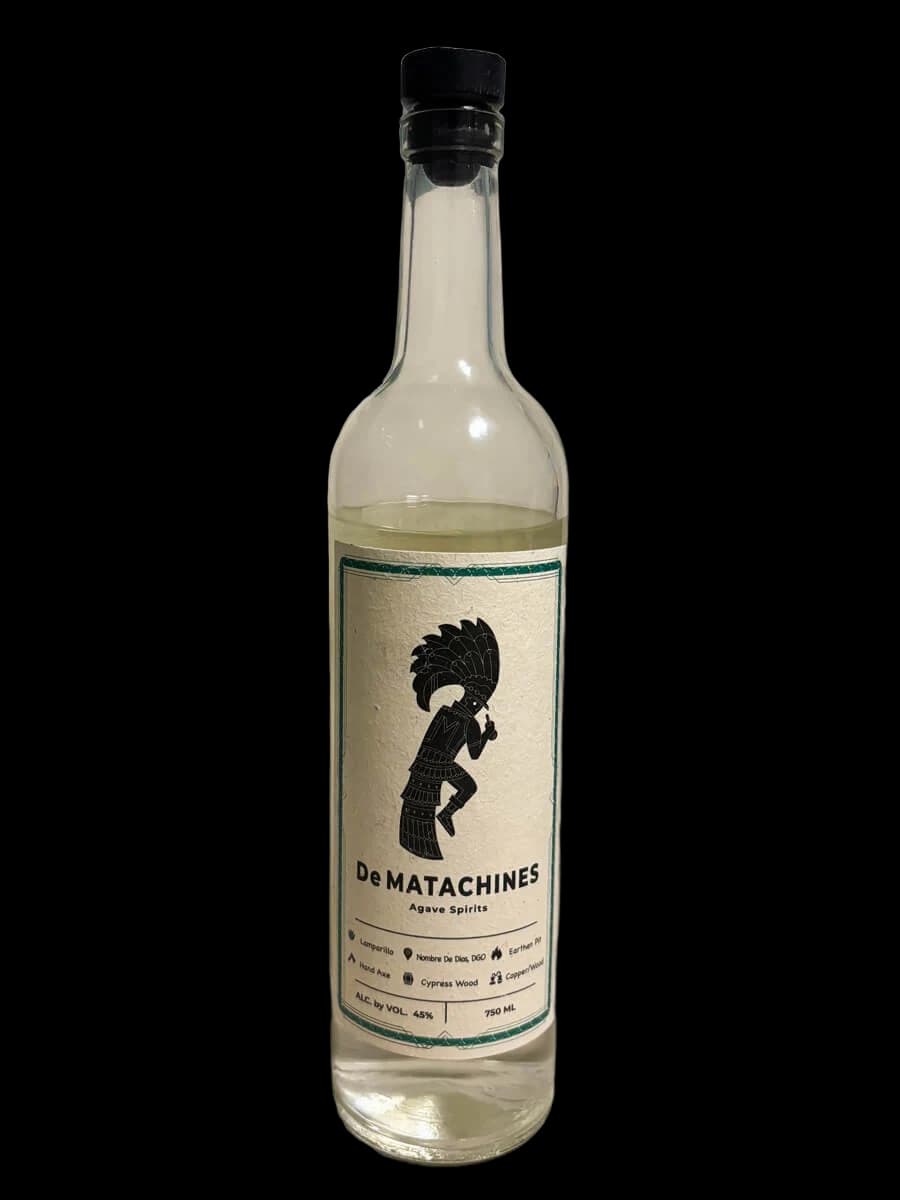
De Matachines
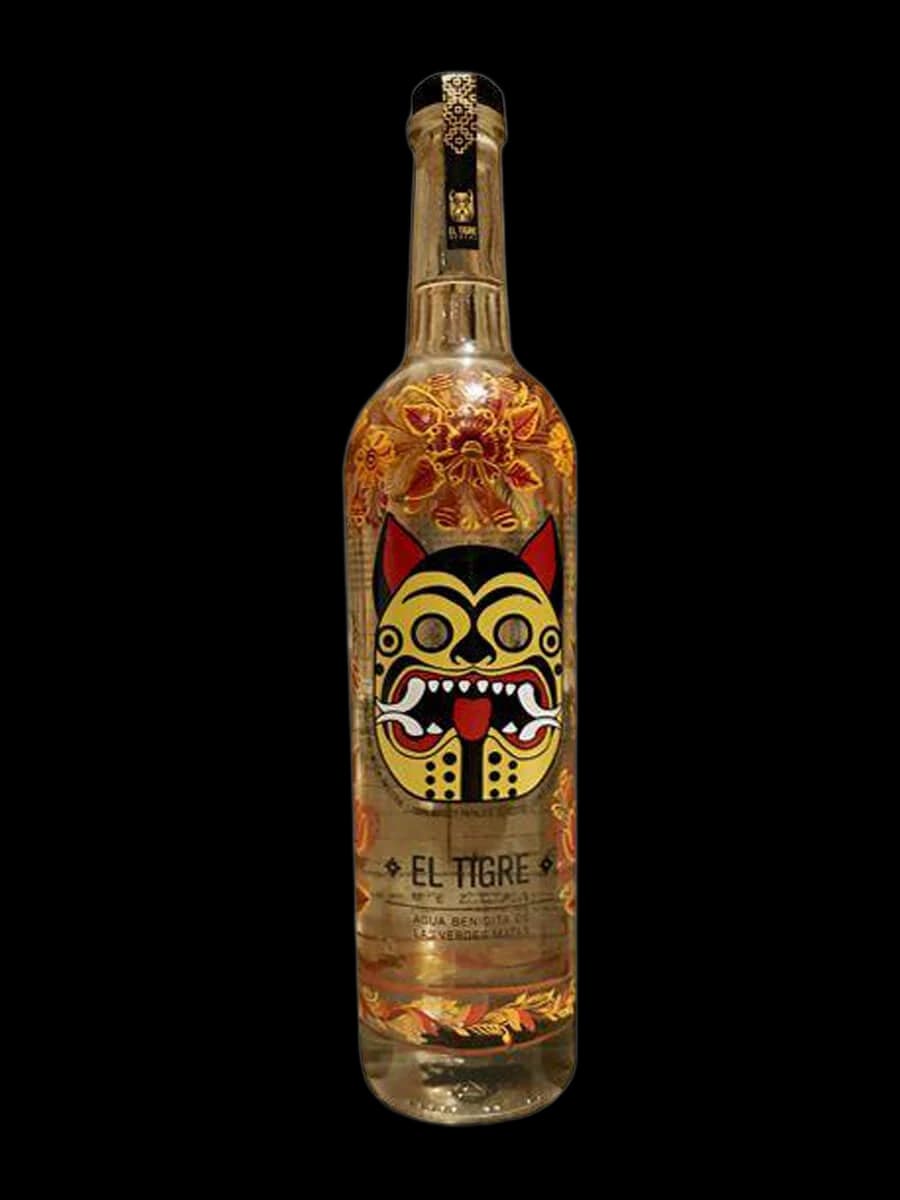
ABV: 47-52%
Style: Joven
Category: Destilado de Agave
Agave Type: Papalote (Agave cupreata)
Certified Testing


Color: Crystalline, very bright, with slight cold flashes could be perceived such as silver, very faint bluish or cold light gray under certain lighting conditions. Clarity: Clean and transparent, without impurities or turbidity.

Aromatic profile with a combination of citrus, fruity, herbal and sweet notes. Aromas of pineapple, tangerine and grapefruit stand out, accompanied by apple yellow, mint and cinnamon, along with a sweet caramel note. The intensity aromatic is average, as is the alcoholic sensation.

Citrus and spicy taste profile, with defined flavors of mandarin, grapefruit and cinnamon, which provide a fresh and vibrant acidity. Sweet notes of pineapple are perceived and a sweetness reminiscent of caramel. Acidic flavors predominate, accompanied by a subtle sweetness. The alcoholic sensation is medium-low. The aftertaste shows an average persistence, dominated by citrus notes and fruity. Notes of pineapple, orange and lime are perceived. The alcoholic sensation and astringency is low, allowing the final notes to be expressed clearly and softness.
What the AGAVESKOOL community tastes in El Tigre Papalote – Tio Chuchi

12 peopled noted berries notes

8 peopled noted herbal notes

5 peopled noted industrial notes

5 peopled noted dried fruits/nuts notes
REVIEWS & RATINGS
Be the first to review this label
The founders of El Tigre, Damian and Raquel, officially started the project in 2011, but the roots of El Tigre date back to the early 2000s. Damian’s Tío Chimino was an accomplished magueyero during this time period and he first introduced Damien to the Patricio García family. Damian, who had grown up in Mexico City and Detroit, began developing a greater interest in the culture of his family’s ancestral home in Atempa. The couple hosts mezcal tastings in their home in Mexico City as way of spreading Atempa’s culture of mezcal. The proceeds are used to help support and preserve the agricultural and artisan communities that are integral to Atempa’s traditional, social, religious, and economic systems.