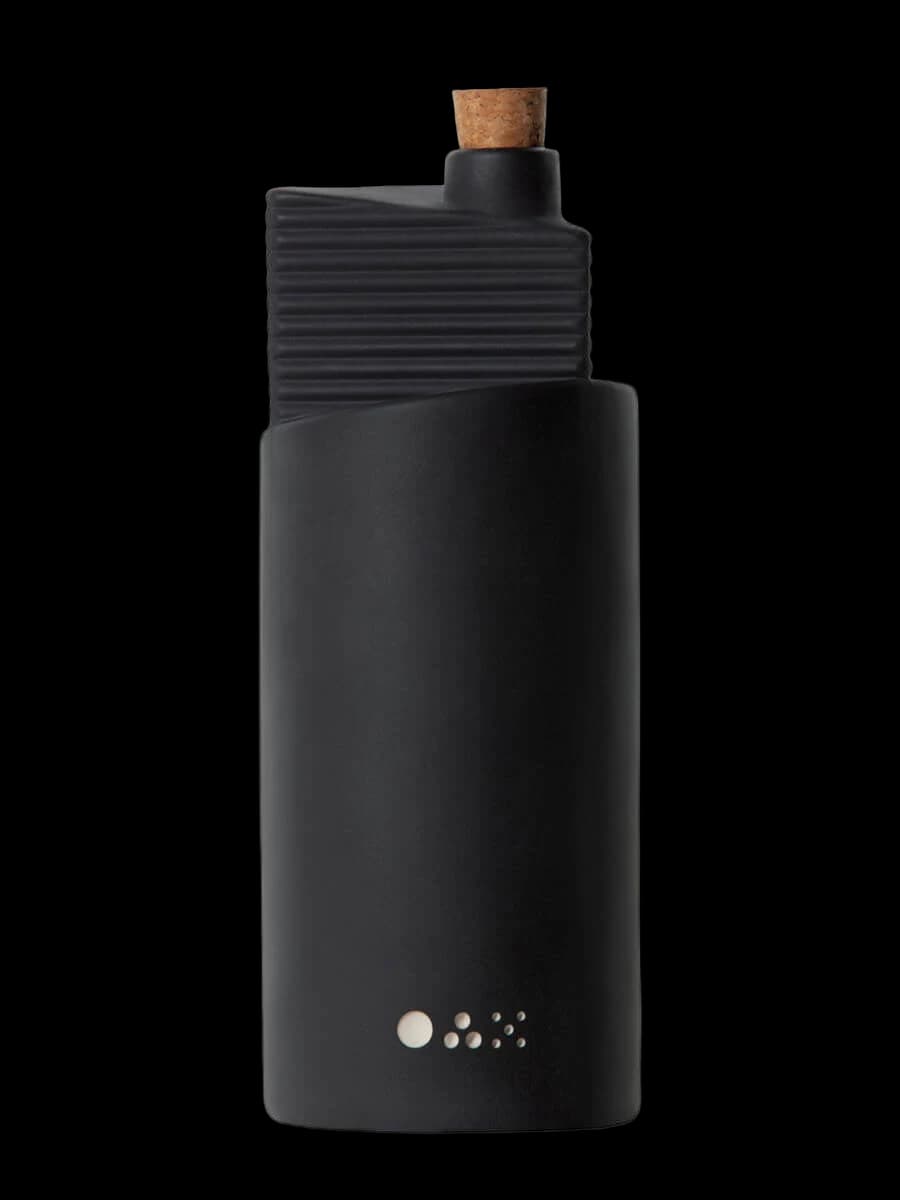
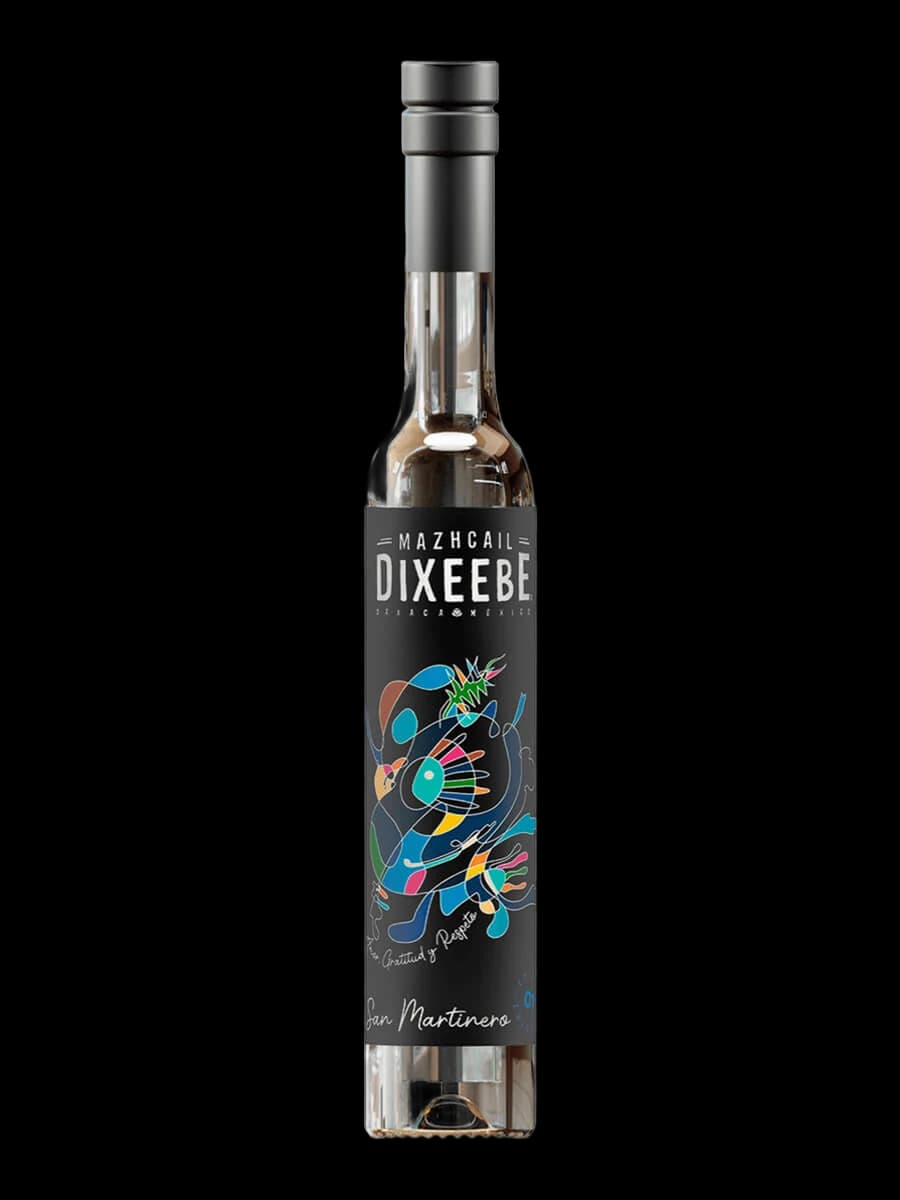
Dixeebe Mezcal
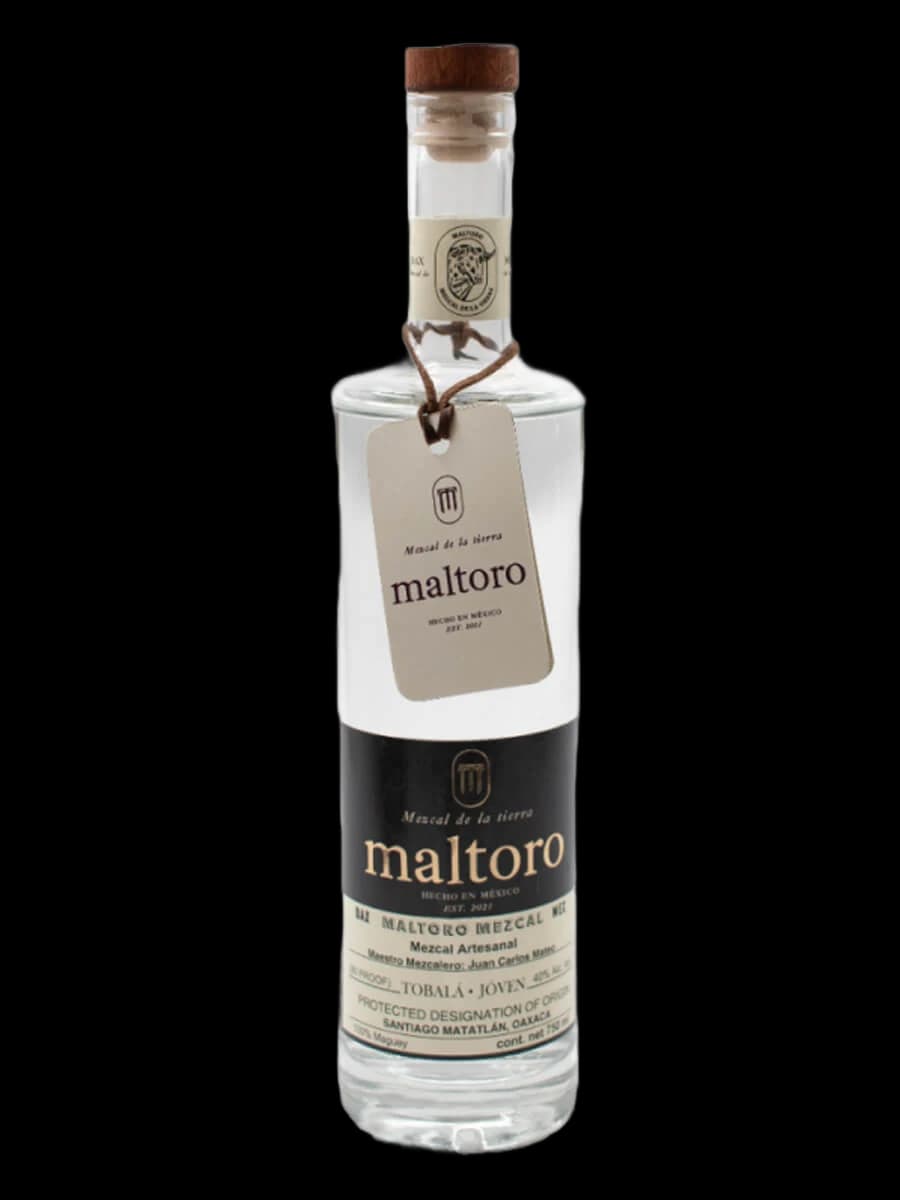
ABV: 40%
Style: Joven
Category: Mezcal
Agave Type: Tobalá (Agave potatorum)
Certified Testing


Color: Crystalline, very bright, with slight cold flashes could be perceived such as silver, very faint bluish or cold light gray under certain lighting conditions. Clarity: Clean and transparent, without impurities or turbidity.

Aromatic profile with a combination of citrus, fruity, herbal and sweet notes. Aromas of pineapple, tangerine and grapefruit stand out, accompanied by apple yellow, mint and cinnamon, along with a sweet caramel note. The intensity aromatic is average, as is the alcoholic sensation.

Citrus and spicy taste profile, with defined flavors of mandarin, grapefruit and cinnamon, which provide a fresh and vibrant acidity. Sweet notes of pineapple are perceived and a sweetness reminiscent of caramel. Acidic flavors predominate, accompanied by a subtle sweetness. The alcoholic sensation is medium-low. The aftertaste shows an average persistence, dominated by citrus notes and fruity. Notes of pineapple, orange and lime are perceived. The alcoholic sensation and astringency is low, allowing the final notes to be expressed clearly and softness.
What the AGAVESKOOL community tastes in Maltoro Tobala

12 peopled noted berries notes

8 peopled noted herbal notes

5 peopled noted industrial notes

5 peopled noted dried fruits/nuts notes
REVIEWS & RATINGS
Be the first to review this label
Maltoro Mezcal is a brand from Santiago Matatlan, Oaxaca. The brand gets it’s name from an old legend that at the annual the cattle fair, a wealthy landowner would organized a bullfight on the final day. At midnight, in the final bullfight, they would face Maltoro, an almost mythical animal. The promise was that whoever defeated him would keep all the land of the landowner, who just before seeing the bull go out would serve himself a mezcal saying that “only those who understand the depth of the night, the serenity of the land and the true passion for a good distillate, would not only be able to defeat Maltoro, but would enter into his spirit to protect that same land”.