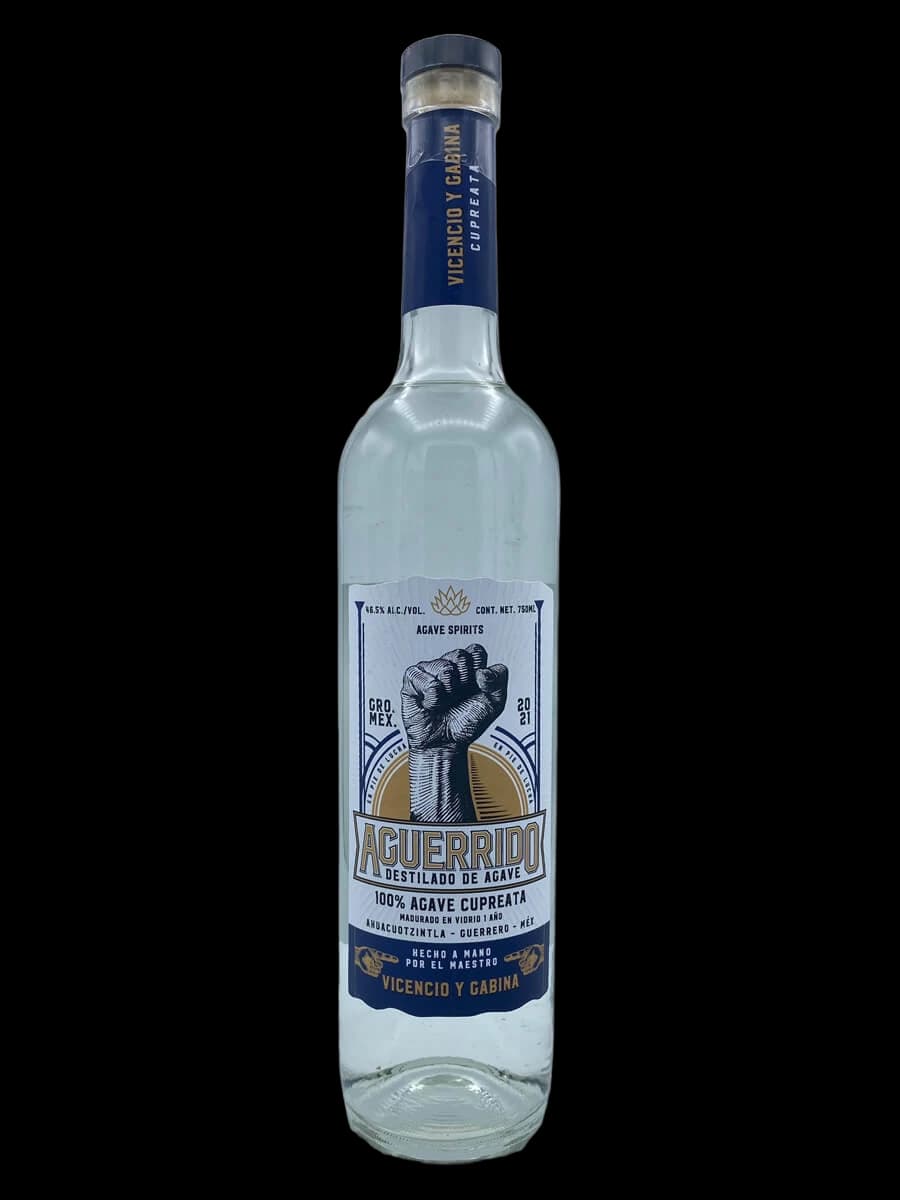
Aguerrido Mezcal
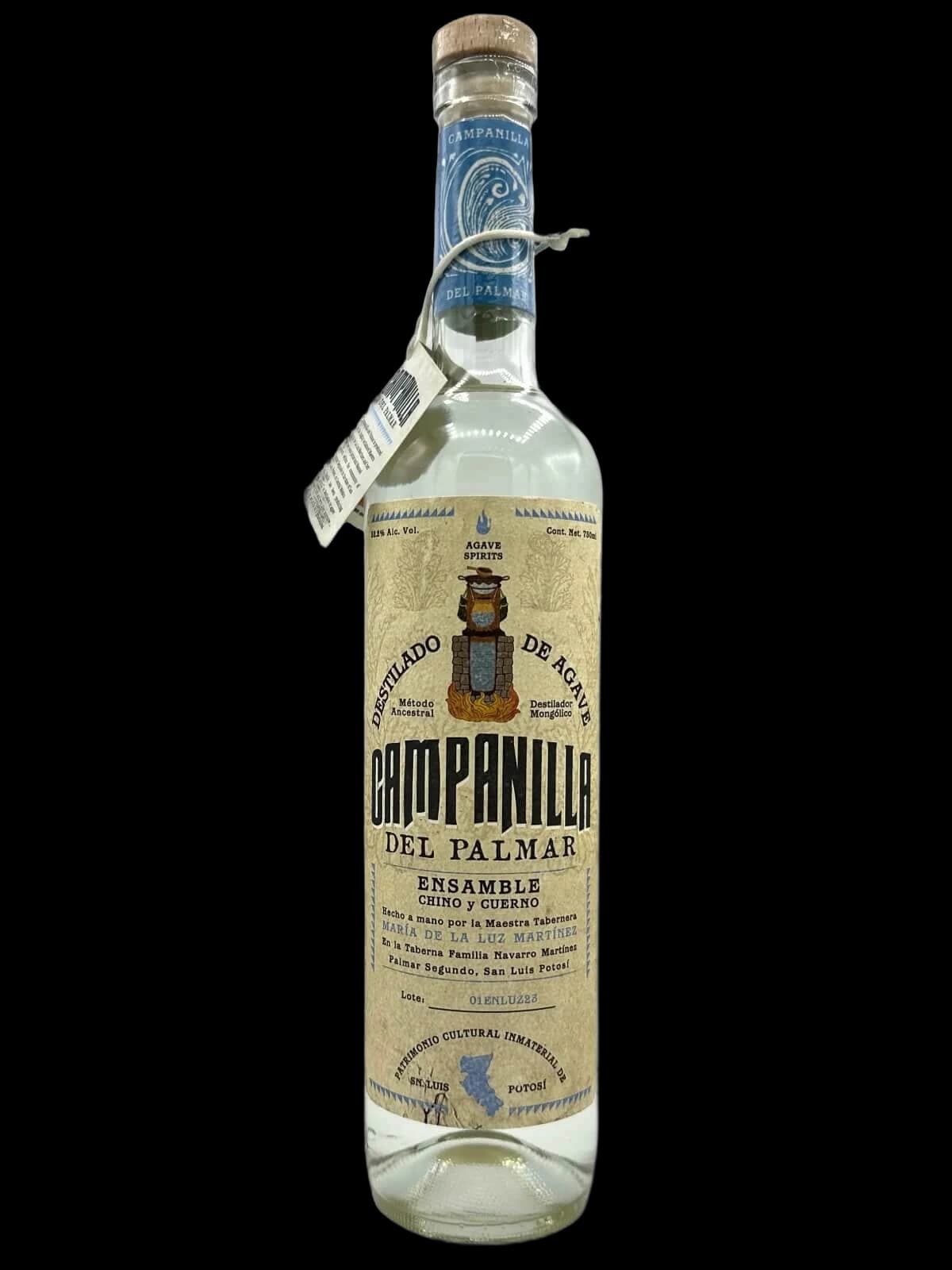
Campanilla del Palmar Chino, Cuerno, M. Maria de la Luz is a Destilado de Agave ensamble from San Luis Potosí. Maria de la Luz Martinez produces this Salmiana spirit using tahona milling and campanilla distillation. The April 2023 batch arrives at fifty two point two percent abv with agave aged fifteen to twenty years. Roasted green vegetables and brine define the nose alongside sweet vanilla and wooden notes. Palate impressions include green apple candy, vegetal jalapeño, and creamy textures with sweet agave. Baking spice and light smoke appear alongside chocolate frosting and pineapple in the finish.
Certified Testing


Color: Crystalline, very bright, with slight cold flashes could be perceived such as silver, very faint bluish or cold light gray under certain lighting conditions. Clarity: Clean and transparent, without impurities or turbidity.

Aromatic profile with a combination of citrus, fruity, herbal and sweet notes. Aromas of pineapple, tangerine and grapefruit stand out, accompanied by apple yellow, mint and cinnamon, along with a sweet caramel note. The intensity aromatic is average, as is the alcoholic sensation.
Read more
Citrus and spicy taste profile, with defined flavors of mandarin, grapefruit and cinnamon, which provide a fresh and vibrant acidity. Sweet notes of pineapple are perceived and a sweetness reminiscent of caramel. Acidic flavors predominate, accompanied by a subtle sweetness. The alcoholic sensation is medium-low. The aftertaste shows an average persistence, dominated by citrus notes and fruity. Notes of pineapple, orange and lime are perceived. The alcoholic sensation and astringency is low, allowing the final notes to be expressed clearly and softness.
Read moreWhat the AGAVESKOOL community tastes in Campanilla del Palmar Chino, Cuerno – M. Maria de la Luz
Be the first to add tasting notes for this label
REVIEWS & RATINGS
Be the first to review this label
Campanilla del Palmar is produced by the highly acclaimed Maestra Maria de La Luz Martinez and her two sons Jaime and Manuel Navarro in the community of Palmar Segundo in the state of San Luis Potosi, in Central Mexico. The family has been producing mezcal or destilados de agave using rare and very labor intensive clay pot stills for 8 generations. The Navarro’s work with 4 different subspecies of Agave salmiana that are locally known as Verde, Cuerno, Chino, and Blanco. For all of their destilados, they only ferment the agave juice, the fibers from the heart of the agave, and pulque, which helps to jump-start the fermentation process. Unlike the Filipino stills, which have an exit spout in the top chamber of the still, their stills are very different in that the top clay pot chamber (caparote) has a smaller 15-liter clay pot hanging inside it that is used for collecting the condensed spirits. The suspended catchment vessel resembles a little bell, or campanilla, which has historically been referred to as being a Mongolian type of still. Also unique to this clay pot distillation method, is that the water in the copper condenser dish is hand-ladled to keep it cool throughout both distillations, whereas most Filipino stills that have a constant source flowing through the condenser dish. Batches sold in Mexico simply go by the name Campanilla on the label of these bottles. The Campanilla brand also includes the other members on the Navarro family. Learn more about the Navarro family and Campanilla style mezcal in our blog post So, What is Campanilla Mezcal?